Happy Imbolc!
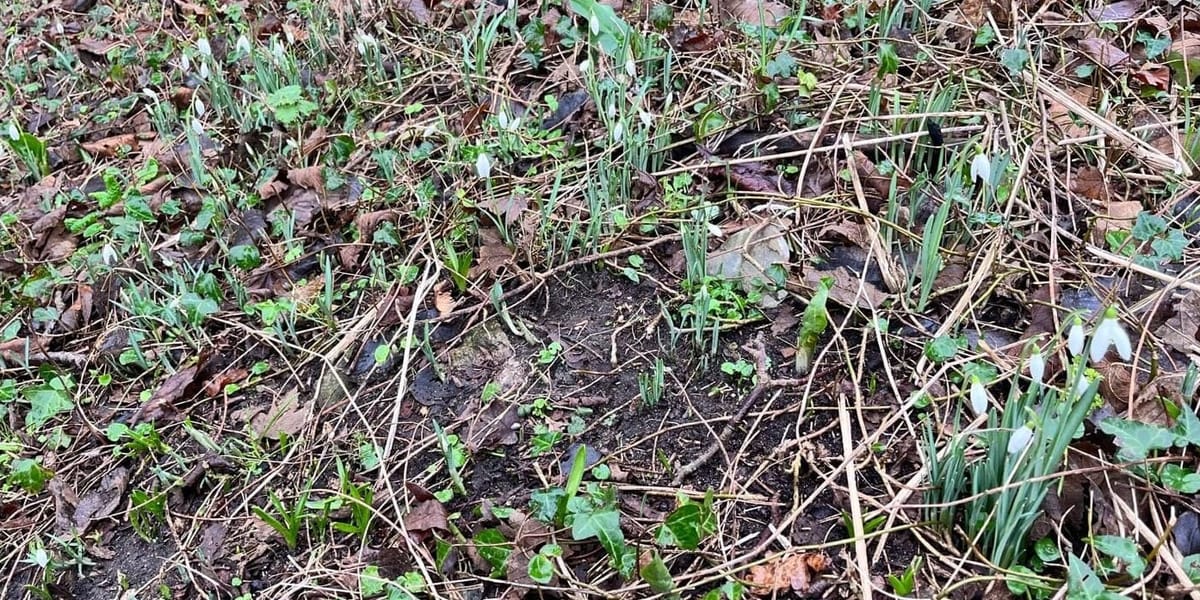
Today marks Imbolc, the Celtic festival celebrating the mid-point between the winter solstice and spring equinox. The trees lining city pavements still lack leaves but look closely and you’ll notice buds on their branches. Green shoots are appearing in unexpected cracks, bulbs stirring as days lengthen. But who owns seeds and how does soil work? Read on to find out more in this bumper crop of a newsletter.
An Imbolc folktale and winter scent

I’ve been following storyteller Morvern Graham on TikTok for a while, mesmerized by her folktales told with giant props on top of mountains, and soothed by her Scottish lilt. For Imbolc, seasonal perfumers Ffern have commissioned her to create an Imbolc Folktale, the story of the Maiden huntress scattering new Spring seeds across the land.
Ffern create a new perfume for every season, inspired by seasonal produce. I tried their Spring (rhubarb), Summer (blood orange) and Autumn (golden quince) scents last year. You request to join their ledger and, if accepted, they send you a beautiful package with a sample of the scent, a little gift like heritage seeds or tea, and the full perfume sealed in a box. If you like the sample, open the box and keep the perfume! If you don’t, send it back or swap it for another previous scent from the archive. Each perfume is £89 for 32ml so it’s definitely an investment but a great way to try scents at home before you commit.
Grow and swap seeds to fight for seed sovereignty
You might have heard of a seed library and seed swaps between gardeners, but did you know there is something much more important going on when you save and exchange seeds? You are reclaiming seed sovereignty! I’d never heard of the term till recently but here is a potted history/explainer.
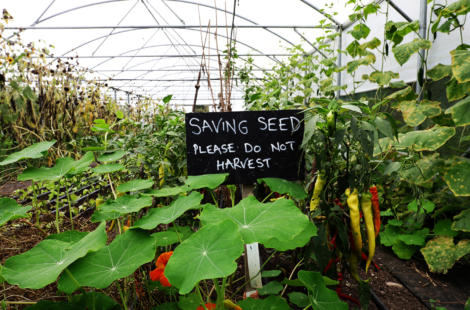
Farmers used to have lots of different types of seed because their fruit and veg would naturally cross-breed. They’d keep good varieties and swap them with neighbours. And crops were diverse, with hundreds of types of one vegetable.
But since the 1930s, people were allowed to patent and own a breed of seed and charge others for its use. Little by little, big corporations bought up all the high-yielding varieties and now just four huge companies own 50% of the seeds in the world! Most of the seeds we buy in supermarkets and nurseries are owned by them. They have become the sovereigns of the seed. And in many countries farmers are forced to use their seeds and pesticides.
This has made the global food system very dependent on just a few varieties of crops that aren’t naturally adapting to pests, diseases and weather conditions. According to the UN Food and Agricultural Organisation, we have lost 75% of genetic diversity in plants globally since the 1900s and, in the last century alone, 93% of the world’s unique seed varieties have disappeared.
But there is a growing seed sovereignty movement, of small-scale commercial growers, community groups and home gardeners growing heritage seeds, saving seeds from the plants they grow, and exchanging them (often for free) with others. This is increasing the diversity of seeds, helping plants increase their resilience to climate change, and taking the power (and profits) away from big corporations.
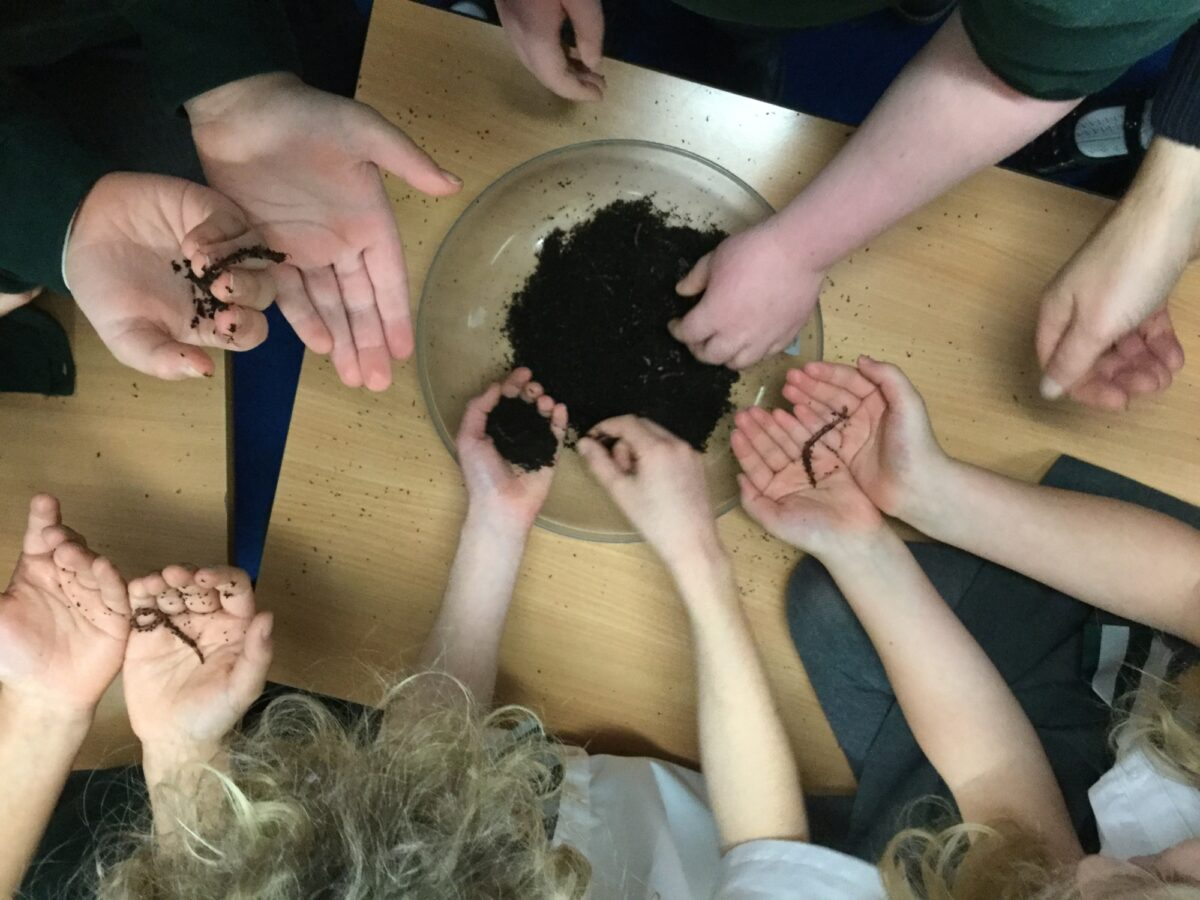
The Heritage Seed Library has over 800 ancient varieties of seed and Vital Seeds sells seeds grown in Devon, and also has a seed-saving course for £48. Gaia Foundation’ Seed Sovereignty programme supports growers with funding, resources and training. They’ve created this beautiful video about an ancient giant cabbage variety:
Become a seed guardian
The Seed Saving Network are looking for enthusiastic gardeners, farmers and community projects who are interested in growing their skills and contributing to their seed stock. If you’re a keen grower, email them asap to receive their rarer or more pressing seeds.
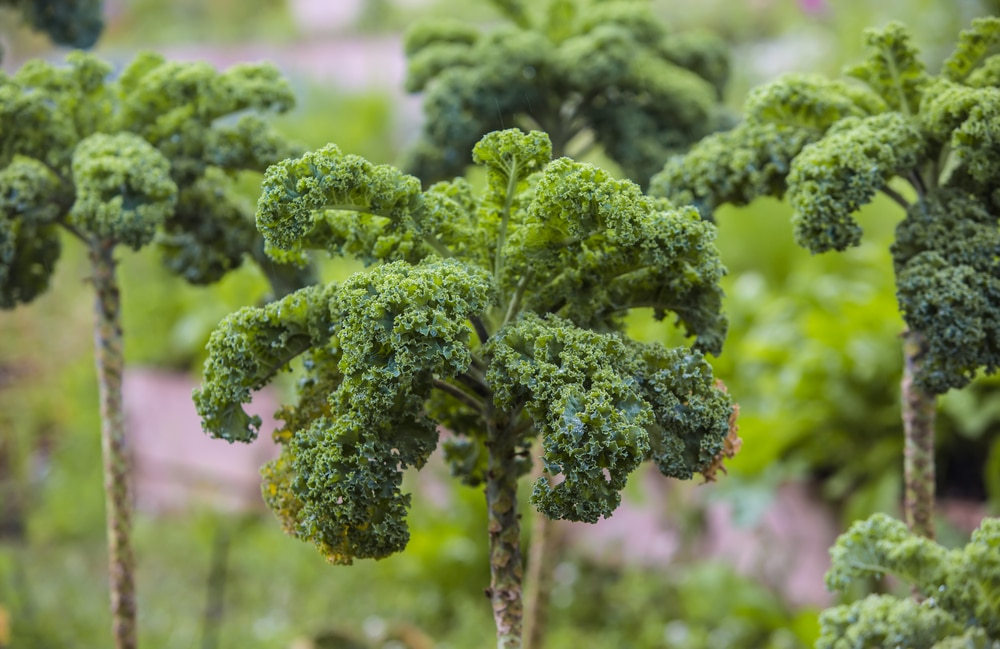
Their catalogue of seeds is also going live this week, including 23 varieties of heirloom tomatoes and plenty of rare and exciting vegetables, from walking stick kale to goat's beard salsify. Sign up.
Celebrate World Wetlands Day with a free walk round Barnes, 2 February 2025

Join this 90-mins family friendly walk to learn about flood resilience and protecting the natural world around us. Wetlands and rivers are vital to our natural ecosystems, but wetlands are disappearing three times as fast as our forests. We will discover how every size of wetland, from puddles to rivers to lakes, plays an essential role in the natural world. Free but book your spot.
Seed swap at Seedy Sunday, Brighton, 2 February 2025

Why not get out of London for some sea air and a lively seed swap with hundreds of keen gardeners at this Seedy Sunday in Brighton? A short walk from the station, the event runs from 10am till 4pm. There are also talks on seed sovereignty, rewilding and growing food in your garden.
SOIL exhibition at Somerset House, until 13 April.

Have you ever thought about what is beneath your feet as you pound the pavements of the capital? Water and gas pipes, electric wires, sewers, tube tunnels and more. But beneath all that, soil. Our Earth.
“Combining sensory artworks, historical objects, scientific artefacts and documentary evidence, the exhibition sets out to inspire and educate visitors about the power and the fragility of soil, its fundamental role in human civilisation and its remarkable potential to heal our planet.” Find out more and get tickets.
Urban Nature Network Conference at Natural History Museum, Friday 21 February

Interested in bringing nature and wildlife back to urban spaces? Join the waitlist for this free event!
Sup on British winter produce
On 21 February, Ogo is Fooding are hosting a Nigerian supper club in the bakery Saint Louie church crypt near Elephant and Castle. The menu sounds very exciting – a welcome snack of baguette & citrus uda butter. Followed by Akara waffles, Turnworth cheese & jambon and Abacha, radicchio & leeks; Ayamase, venison & turmeric ofada rice. And for dessert, zobo jelly, panna cotta, rhubarb & ehuru chin chin. Find out more and book your place at the table. And in March they have a seasonal supper club hosted by London Supper Club Gem focused on low-waste.
On 24 February, enjoy seasonal winter produce in plant-based dishes, served on communal tables at The Duke, Islington. Menu is TBC but you can get your ticket now.
Nature writing workshop in Honor Oak, Saturday 1 March

Join this two-hour workshop where you’ll write short pieces inspired by nearby park One Tree Hill’s wildlife and consider how nature writing can highlight the impacts on that wildlife. Led by a local nature writer, the session is donation based and includes a hot drink. Book your place.
Learn a new skill at the Garden Museum
The Garden Museum is offering a series of free (or cheap) events over the Spring. Called their ‘Branch Out’ series, learn how to spin cotton, go on a tour of urban fruit trees, or join the Gardening Drawing Club for an afternoon of how to grow organic vegetables, flowers and herbs before painting and drawing your impressions from these encounters. Branch Out.
Toodles!